Smoked Bacon vs Unsmoked Bacon: Which One is Right for You?
SMOKED BACONUNSMOKED BACON
Understanding the Differences: Smoked vs Unsmoked Cambodia Premium Bacon
Cambodia Premium Bacon comes in two distinctive varieties: smoked and unsmoked, each presenting unique characteristics that cater to different culinary preferences and uses. Understanding the fundamental differences between these two types can greatly assist consumers in selecting the bacon that best suits their taste and cooking requirements.
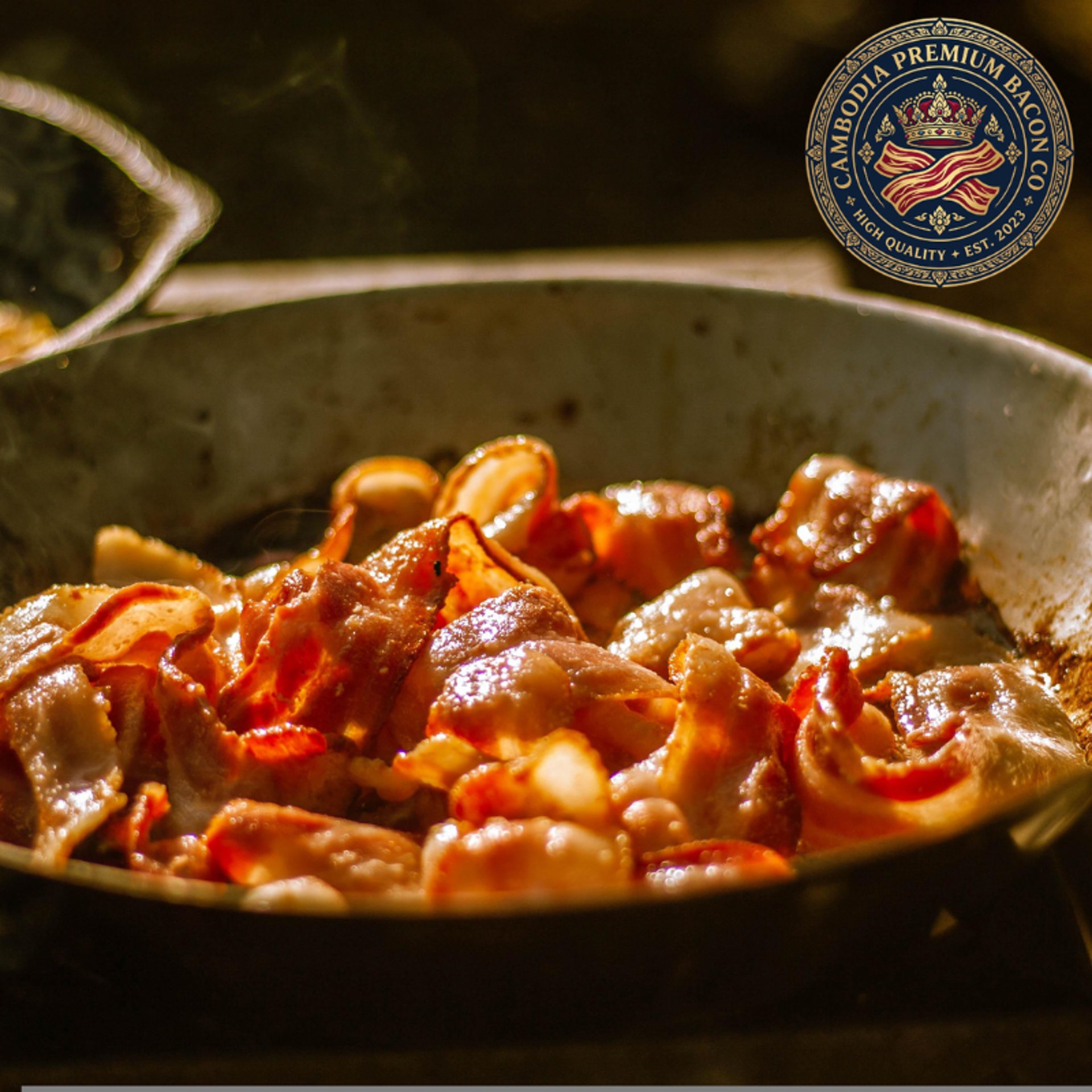
Smoked bacon is produced through a curing process that involves exposing the meat to smoke from burning wood or other materials. This method infuses the bacon with rich, smoky flavors and aromas that can enhance various dishes. The smoking process not only adds depth but also helps in preserving the meat, contributing to a longer shelf life. Those who enjoy bold flavors will find smoked bacon particularly appealing, as it complements dishes such as sandwiches, salads, and breakfast platters. The intense flavor profile of smoked bacon is attributed to the choice of wood used in the smoking process, which can range from hickory to applewood, each imparting its unique taste.
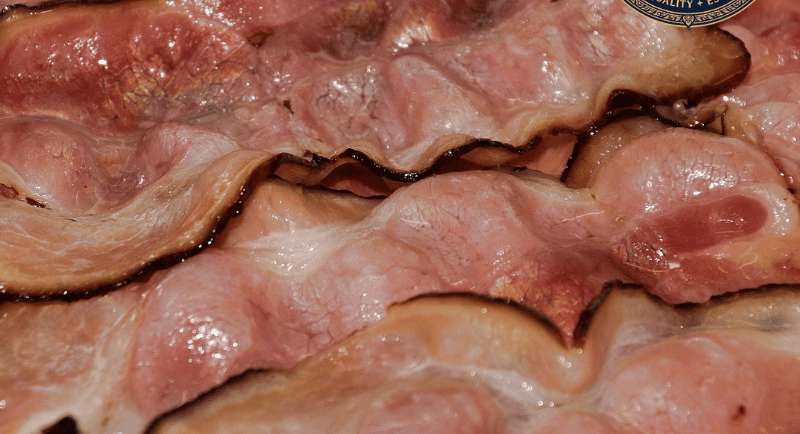
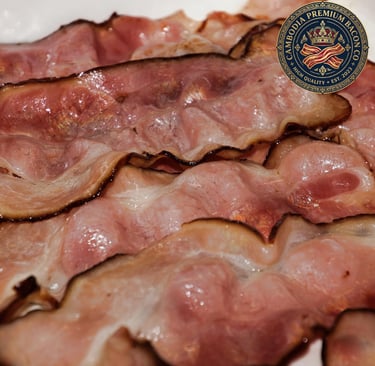
In contrast, unsmoked bacon showcases the purity of the pork itself, with minimal seasoning and no preservatives. This variety is typically cured with a simple salt brine but lacks the additional flavor complexities introduced through smoking. As a result, unsalted bacon is favored for its clean taste, making it an ideal ingredient for recipes where the natural flavor of the pork should stand out, such as pasta dishes, omelets, or gourmet burgers. The absence of high salt content also appeals to health-conscious consumers who wish to manage their sodium intake while still enjoying bacon. By focusing solely on the quality of the pork, unsmoked bacon allows for a more nuanced appreciation of the meat's natural flavors.
Ultimately, choosing between smoked and unsmoked Cambodia Premium Bacon boils down to individual taste preferences and the intended use in culinary creations. Each type brings its unique flair to dishes, ensuring that bacon enthusiasts can enjoy their favorite ingredient in various styles.
Flavor, Aroma, and Texture: What to Expect
When it comes to bacon, the choices can be exquisite, particularly when discerning between smoked bacon and unsmoked bacon. Each variety offers a distinct sensory experience that tantalizes the palate, leading consumers to a delightful exploration of flavors, aromas, and textures.
Smoked bacon is renowned for its rich, savory flavors, which are deeply infused through the smoking process. The technique typically involves using hickory, applewood, or maple wood, resulting in a complex yet harmonious flavor profile that is both bold and irresistible. The smoky aroma wafts through the air, evoking anticipation and excitement, making it an appealing choice for those who enjoy a powerful taste. The texture of smoked bacon can vary from crispy to chewy, depending on the cooking method, allowing for a range of culinary applications from breakfast dishes to gourmet sandwiches.
In contrast, unsmoked bacon offers a clean, natural flavor that celebrates the purity of the pork itself. Lacking the impactful smokiness found in its counterpart, unsalted bacon presents a firmer texture that can hold up well against various cooking techniques. It provides a blank canvas, allowing cooks to utilize it in hearty recipes or to enhance salads without overpowering other ingredients. The absence of smoke also makes it an excellent choice for those seeking a lighter flavor, perfect for breakfast or as a crispy snack paired with fresh fruits.
Both smoked and unsmoked bacon have their unique attributes that cater to different preferences. For the adventurous food lover, sampling each type may lead to personal insights regarding flavor preferences that can enhance culinary experiences.
Culinary Applications of Smoked Bacon and Unsmoked Bacon
When it comes to cooking, both smoked bacon and unsalted bacon offer unique culinary advantages, making them suitable for various applications in the kitchen. Smoked bacon is renowned for its robust and hearty flavor, which can elevate many meals, especially breakfast dishes. Incorporating smoked bacon into a traditional breakfast plate adds a complex, savory depth that complements eggs, pancakes, and hash browns excellently. Notably, this variety of bacon works particularly well in omelettes, imparting an irresistible smokiness that enhances the overall dish.
Additionally, smoked bacon shines in the realm of sandwiches and salads. The intense flavor penetrates through greens in salads, making it an ideal topping for Caesar salads or even in pasta dishes. The robust characteristics of smoked bacon pair wonderfully with sliced tomatoes, avocado, or even grilled cheese sandwiches, offering a delightful contrast to milder ingredients.
On the other hand, unsalted bacon serves as a highly versatile ingredient, particularly when one seeks to manage salt intake in their cooking. This type of bacon can be utilized effectively in a variety of recipes where control over seasoning is crucial, such as in delicate sauces or soups. Chefs often use unsalted bacon in recipes that require a slower cooking process, allowing the rich flavors to develop without overwhelming saltiness.
Moreover, unsalted bacon can be an excellent addition to dishes where the chef wants to highlight other ingredients. For instance, when used in stir-fries or as a component of risottos, unsalted bacon contributes a subtle fat that enhances the overall mouthfeel while allowing the primary flavors of the dish to shine through. Consequently, understanding the unique attributes and uses of smoked versus unsalted bacon will guide culinary enthusiasts in selecting the appropriate type for their recipes.
Finding Your Perfect Match: Which One Suits You?
When deciding between smoked bacon and unsmoked bacon, it is essential to consider personal taste, culinary applications, and dietary requirements. Both varieties of Cambodia Premium Bacon offer unique flavor profiles that can greatly enhance different dishes.
Smoked bacon is characterized by its robust and savory notes, imparted by the smoking process. This variety works exceptionally well in recipes where a deep, smoky flavor is desired, such as in breakfast dishes, pasta carbonara, or as a topping for salads. Additionally, the aromatic qualities of smoked bacon can elevate the taste of soups and sauces, making it a versatile ingredient in many culinary creations.
On the other hand, unsmoked bacon provides an opportunity to control salt levels in your meals, making it a suitable choice for individuals with specific dietary needs or those seeking a lighter flavor. Unsalted bacon can be particularly beneficial for recipes where the salt content may already be high, such as in stews or alongside seasoned vegetables. Using unsalted bacon allows home cooks to creatively adjust the saltiness of the final dish, ensuring a balanced and exquisite taste.
Moreover, occasions often dictate bacon preferences. Smoked bacon may be ideal for gatherings and barbecues, where its distinctive flavor can complement various sides. Conversely, unsmoked bacon may be a better fit for everyday meals or when cooking for health-conscious friends and family. As culinary enthusiasts, experimenting with both types of Cambodia Premium Bacon can lead to delightful discoveries while enhancing your palate.
In conclusion, whether you lean towards the rich smokiness of smoked bacon or the pure flavors of unsmoked bacon, embracing both options and trying out different recipes can truly elevate your culinary creations. Don’t hesitate to explore the versatility and quality of Cambodia Premium Bacon in your kitchen today.
Cambodia Premium Bacon
14a Street 163
Toul Svay Prey 1
Boeng Keng Kang
Phnom Penh
Cambodia
120106
Contact
Claim special offer
order@cambodiapremiumbacon.com
Mobile: +855 86458981
Telegram +855 10572713


