Saline-Injected Bacon vs Properly Cured Bacon: What You Need to Know
BACON INFORMATION


Understanding Saline Injection: The Process and Its Purpose
Saline injection is a common technique employed in bacon processing, primarily aimed at enhancing the overall quality and texture of the final product. The process involves injecting a saline solution, which typically includes water, salt, and sometimes additional flavorings, directly into the meat. This method is designed to increase moisture retention and improve the palatability of the bacon. By employing saline injections, producers can ensure that the bacon remains juicy and flavorful after cooking, a crucial factor for consumers seeking an enjoyable eating experience.
The primary purpose of saline injection is to create a uniform distribution of moisture throughout the meat. This results in improved texture, making the bacon tender and less likely to dry out during cooking. Additionally, the saline solution can help to enhance the overall flavor of the bacon, as the salt seeks to penetrate the meat, creating a more savory and satisfying taste profile. This technique allows producers to maintain consistency in their products, which is essential in meeting consumer expectations.
However, the nutritional implications of consuming saline-injected bacon warrant consideration. The addition of saline can increase the sodium content significantly, which may raise health concerns for those monitoring their sodium intake. Higher sodium levels are associated with health risks such as hypertension and cardiovascular issues. Therefore, while saline-injected bacon may offer a satisfying texture and taste, consumers should be mindful of its nutritional content, particularly in the context of a balanced diet.
In summary, while saline injection is a widely used method in bacon production to enhance moisture and flavor, it also raises questions about nutritional quality and health implications that must not be overlooked by consumers.
The Art of Proper Curing: Traditional Techniques Explored
Proper curing is a meticulous process that transforms raw pork into the savory delight known as bacon. Traditional curing methods have been passed down through generations, reflecting a rich history that highlights not only culinary practices but also preservation techniques. At its core, proper curing involves the application of salt, which serves to draw out moisture, inhibit bacterial growth, and enhance flavor. This fundamental ingredient is often complemented by a variety of spices, sugar, and sometimes nitrites, creating a complex flavor profile that distinguishes properly cured bacon.
Historically, the practice of curing meat dates back centuries as a means of preserving food before modern refrigeration. Cultures across the globe have utilized different curing methods, from dry curing to brining. In the dry curing method, salt and spices are rubbed directly onto the meat, allowing for a deeply concentrated flavor and an extended shelf life. Meanwhile, brining involves soaking the pork in a saline solution, which tends to result in a moisture-rich product. Both techniques, when executed meticulously, yield bacon that is not only safe to consume but also bursting with flavor.
One of the most distinguished types of properly cured bacon comes from Cambodia, where local artisans utilize traditional techniques that have been honed over years. The result is a uniquely flavored bacon that often surpasses the quality of its saline-injected counterparts. In addition to flavor, properly cured bacon boasts a significantly longer shelf life without the need for artificial preservatives. The careful balance of seasoning and the natural curing process imbues the meat with depth, character, and an unparalleled taste that can only be achieved through skillful craftsmanship. Through proper curing, bacon is elevated from mere sustenance to an artisan product, cherished by connoisseurs worldwide.
Flavor and Texture Differences: Saline-Injected vs Properly Cured Bacon
When it comes to bacon, the method of preparation plays a significant role in determining the overall flavor and texture. Saline-injected bacon is produced rapidly by injecting a brine solution into the meat, which enhances moisture content and can intensify certain flavors. This technique often leads to a notably salty flavor profile, with some consumers noting that it can overshadow the natural taste of the pork. In contrast, properly cured bacon undergoes a slow and meticulous curing process using a blend of salt, sugar, and sometimes spices, allowing the flavors to develop more complexly.
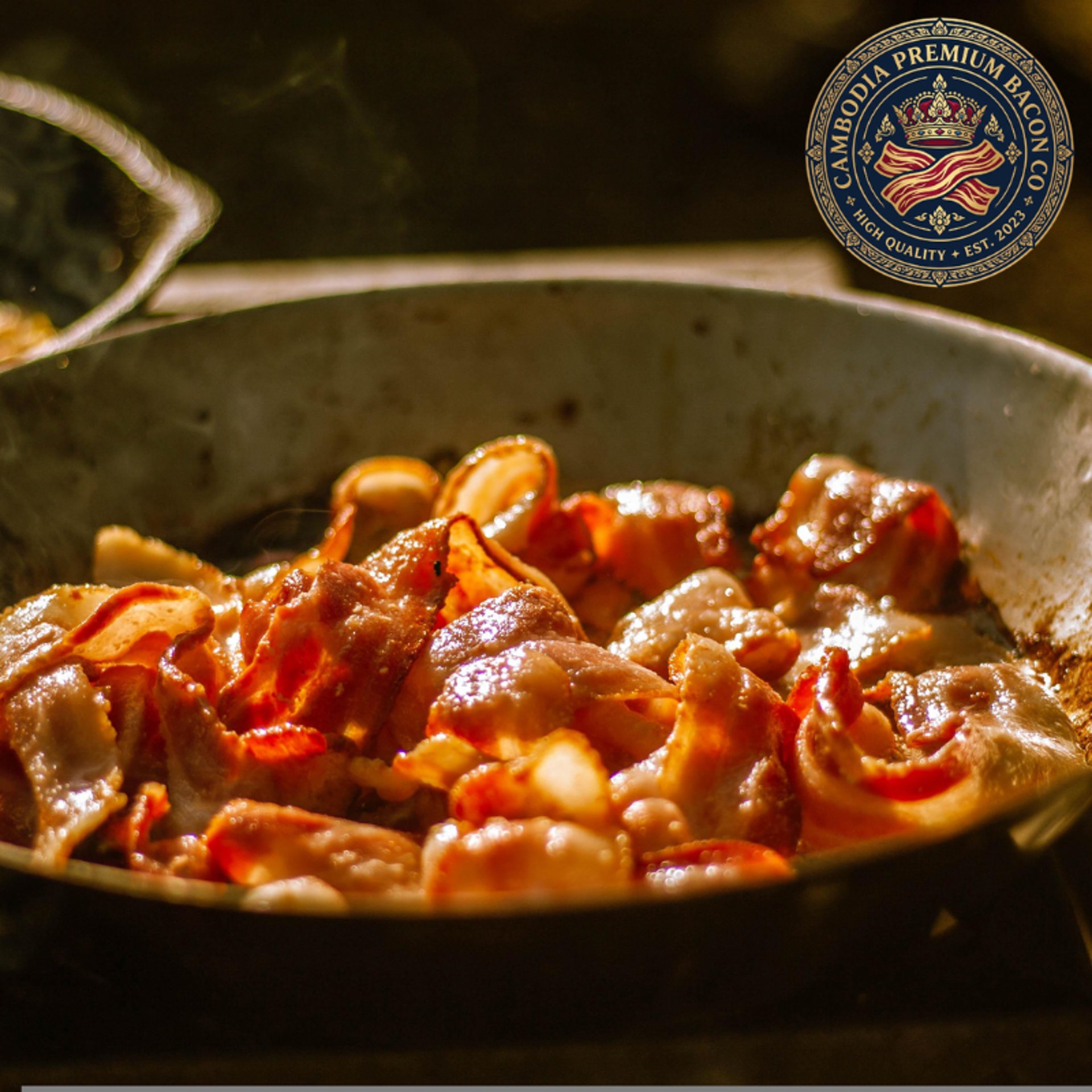
The texture of saline-injected bacon typically tends to be softer and more uniform due to the added moisture from the brine. This can lead to a chewier mouthfeel, which some may find appealing, especially in dishes where a moist texture is desired. However, a disadvantage of this method is that it may cause the bacon to lack the satisfying crispness that is often associated with well-cured bacon. On the other hand, properly cured bacon usually presents a firmer, crunchier texture when cooked, which enhances the eating experience. The slow curing process allows the fat to render properly, resulting in a rich, savory bite that many aficionados prefer.
Taste tests comparing both types often reveal a divide in preferences; while some enjoy the quick satisfaction of saline-injected bacon for its intense salty flavor, others prize the nuanced, layered taste of properly cured bacon, which can further emphasize the quality of the pork used. Ultimately, the choice between these two types of bacon boils down to individual preference, influenced by the desired flavor profile and textural qualities that each method imparts.
Choosing the Right Bacon for You: What to Consider
When it comes to selecting bacon, the choice between saline-injected and properly cured bacon can significantly impact both flavor and health perceptions. Understanding your own preferences and health considerations is essential in this decision-making process. Saline-injected bacon often has a saltier, more uniform taste due to its injection process, which can appeal to those who enjoy a more intense flavor. However, those looking for a richer depth of flavor and a more artisanal experience might prefer properly cured bacon, which develops its taste through natural curing methods over time.
Health considerations should also come into play when choosing your bacon. Properly cured bacon typically contains fewer preservatives and additives. It is recommended to check labels for information regarding sodium content and additives. Look for products that are free from artificial nitrates and harmless fillers, and opt for organic options if sustainability is a priority for you.
Shoppers should also familiarize themselves with distinguishing high-quality bacon in markets and restaurants. Quality bacon often has a firm texture, a rich color, and a noticeable marbling of fat. Consulting reviews and seeking restaurants that pride themselves on craft butchery can lead to better quality selections of Cambodia premium bacon. Versatile cooking techniques enhance the flavor profile of properly cured bacon. Whether you choose to pan-fry, bake, or grill, integrating spices or glazes can elevate your dish. Pairing bacon with complementary ingredients such as fresh herbs, maple syrup, or even fruit can enhance its flavor, making it a more indulgent experience. In summary, considering personal taste preferences, health aspects, quality indicators, and cooking methods will lead to a satisfying choice in bacon selection.
Cambodia Premium Bacon
14a Street 163
Toul Svay Prey 1
Boeng Keng Kang
Phnom Penh
Cambodia
120106
Contact
Claim special offer
order@cambodiapremiumbacon.com
Mobile: +855 86458981
Telegram +855 10572713


